
Repairing Structures After Water Intrusion
Water Damage Restoration in Lake Stevens for flooring, walls, trim, and structural materials affected by leaks, flooding, or moisture infiltration that reached building components
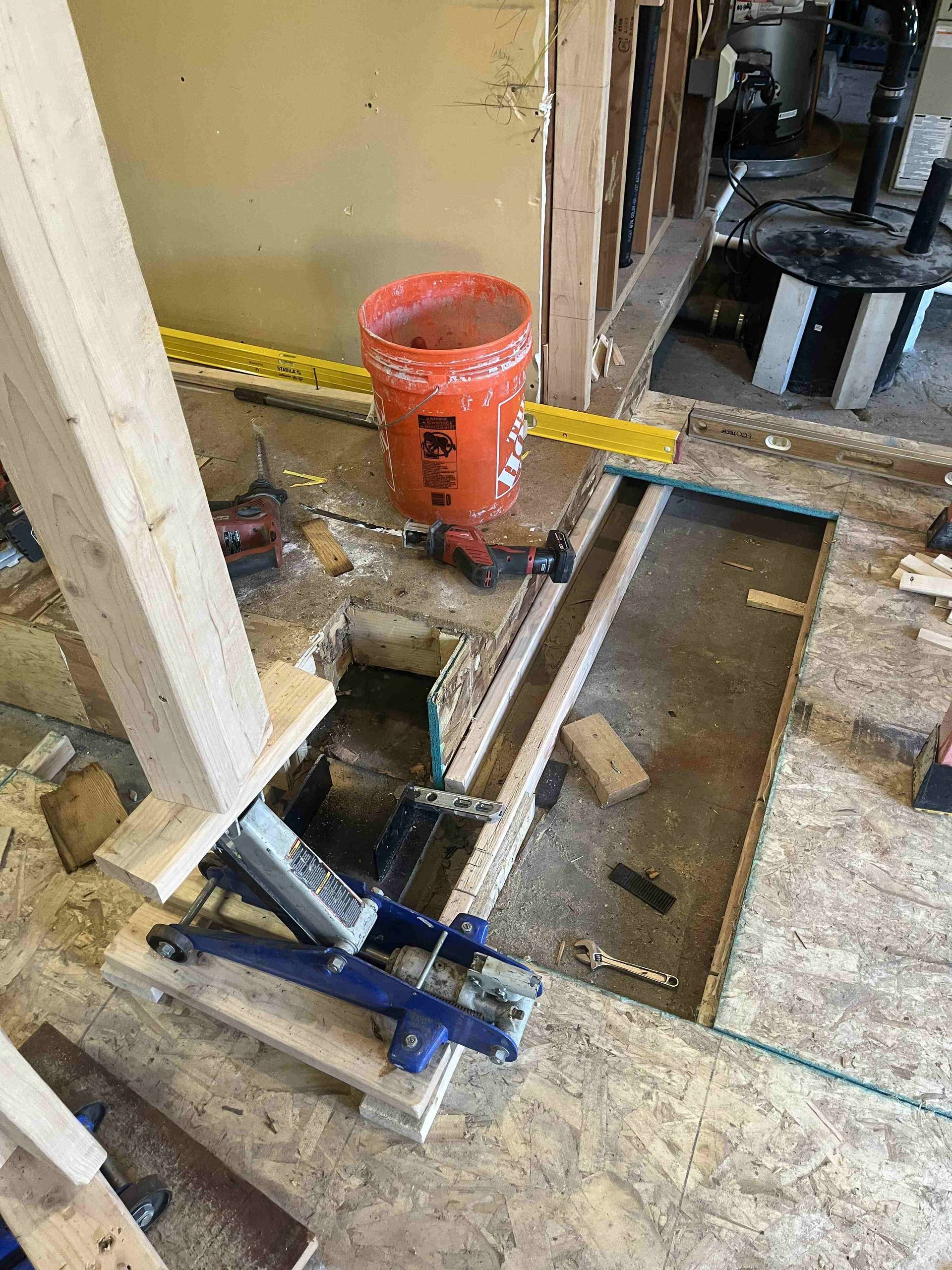
Water damage restoration addresses building materials that absorbed moisture from plumbing failures, roof leaks, flooding events, or chronic infiltration around windows and foundations, and the service involves identifying which components remain structurally sound versus which require removal and replacement to prevent ongoing deterioration. Black Dog Contracting evaluates damage that reaches flooring substrates, wall framing, insulation, drywall, and trim, then removes compromised materials, dries the affected area, and rebuilds the space to usable condition using materials appropriate for the restoration scope. Properties across Lake Stevens, Everett, Marysville, and Snohomish County encounter water damage from Western Washington's wet climate, where sustained rainfall, seasonal storms, and high humidity create conditions that turn minor leaks into structural problems when left unaddressed.
The restoration process begins with identifying the moisture source and extent of affected materials, then determining whether drying alone suffices or whether removal of saturated drywall, insulation, flooring, or framing members is necessary to prevent mold growth and continued decay. Rebuilding involves replacing damaged components, addressing the original moisture entry point, and finishing the area to match adjacent unaffected spaces.
Contact Black Dog Contracting to review visible water damage, determine which building materials require removal or repair, and establish a restoration scope that returns the affected area to safe, functional condition.
What Happens After Water Reaches Building Materials
Water intrusion compromises drywall, insulation, and wood framing differently depending on exposure duration and material saturation levels, and deciding whether to dry, remove, or replace each component depends on moisture readings, visible deterioration, and the likelihood that concealed damage extends beyond what's immediately apparent. Flooring materials like hardwood, laminate, and carpet pad absorb water quickly and often require removal because drying them in place traps moisture beneath the surface where it fosters mold growth and subfloor rot.
After restoration completes, you notice that the affected area no longer smells musty, that walls and flooring feel solid without soft spots indicating concealed moisture, and that paint and trim match adjacent spaces rather than appearing hastily patched. Moisture meters confirm that building materials have returned to normal levels, and the original water entry point has been sealed to prevent recurrence of the same failure pattern.
Timely restoration prevents secondary damage that spreads beyond the initial leak area, and delaying repairs allows mold colonization, wood rot, and insulation breakdown that increase restoration costs while extending the affected footprint into materials that could have remained intact with faster intervention. Western Washington's climate accelerates these processes compared to drier regions where slower evaporation rates provide more time before permanent damage occurs.
Common Questions About This Service
Property owners dealing with water damage often ask about material removal decisions, drying timelines, and how moisture levels determine restoration scope before starting repairs.
What determines whether water-damaged materials can be dried or must be replaced?
Material type, saturation level, and exposure duration dictate whether drying suffices, and porous materials like drywall and insulation typically require removal after prolonged moisture contact because they retain water that fosters mold growth even when surface drying suggests the problem is resolved.
How does Western Washington's climate affect water damage restoration timelines?
High ambient humidity slows evaporation compared to drier climates, and incomplete drying leaves residual moisture that supports mold colonization and wood decay, so restoration projects in Lake Stevens and surrounding areas require more aggressive drying measures and longer timelines than similar projects in regions with lower baseline humidity.
What should I do immediately after discovering water damage?
Stop the water source if possible, remove standing water to prevent further absorption, and document the affected area before beginning cleanup, because early intervention limits damage spread while providing necessary information for insurance claims and restoration planning.
How is concealed water damage identified during restoration?
Moisture meters detect elevated readings in wall cavities and subfloor areas that appear dry on the surface, and infrared cameras reveal temperature differences that indicate trapped moisture, allowing restoration plans to address hidden damage that visual inspection alone would miss.
What happens if the original moisture source isn't repaired?
Restoring damaged materials without fixing the leak, drainage problem, or condensation source guarantees that damage will recur, and identifying the moisture entry point during the initial assessment prevents repeat failures that waste restoration investment.
Black Dog Contracting handles water damage restoration projects throughout Snohomish County where property owners need affected building materials evaluated, removed when necessary, and rebuilt to restore safe, functional space. Contact us to assess visible damage, discuss which components require replacement, and establish a restoration timeline that addresses both immediate repairs and the underlying moisture source.